Decorative Cotton Flower Plant Graphics for Modern Editorial Design
A First Impression That Speaks Volumes
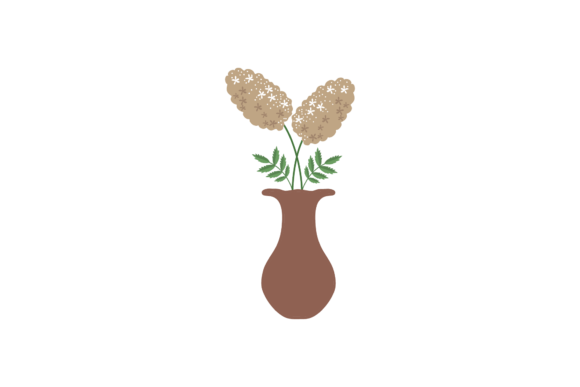
The decorative cotton flower plant design immediately catches the eye with its soft, organic textures and subtle patterns. It carries a gentle, nature-inspired mood that feels both inviting and sophisticated. This asset is ideal for content that leans into lifestyle, wellness, or creative niches where warmth and approachability are key. Its decorative yet clean aesthetic makes it a versatile graphic design asset that can blend seamlessly into editorial design, web design, and digital marketing strategies.
Visual Communication in Action
As a blog designer and digital publisher, I often look for graphics that not only look good but also support the message of the content. The decorative cotton flower plant design does exactly that. Its floral motifs and soft color palette create a visual hierarchy that guides the reader’s attention naturally. Whether used as a website header, article thumbnail, or social media graphic, it enhances the editorial quality of the content without overwhelming it.
This graphic design asset works particularly well in environments where a modern design meets a touch of artistic flair. It supports content marketing efforts by reinforcing brand identity through consistent visual elements. The ability to use this design in multiple formats—AI, EPS, SVG, JPG, PNG, and DXF—makes it a valuable addition to any creative marketplace toolkit.
Real-World Publishing Applications
The decorative cotton flower plant design is a versatile graphic that can be applied across various publishing workflows. From blog featured images to Pinterest pins, from downloadable resources to Canva templates, this design asset offers endless possibilities. Here are some practical uses:
- Blog Featured Images: Use it as a background or overlay to elevate your post thumbnails and make them more engaging.
- Pinterest Pins: The high-resolution canvas size (1920x1280 px) ensures clarity even when scaled down for social media visuals.
- Website Headers: Incorporate it into your site's hero section to create a welcoming and visually appealing first impression.
- Newsletter Graphics: Add it as an accent element to enhance the visual hierarchy and make your email content more clickable.
- Lead Magnets and Digital Guides: Use it as a cover image or internal graphic to reinforce the theme of your downloadable resources.
- Social Media Posts: Leverage its versatility to create eye-catching previews for Instagram, Facebook, and Twitter.
By integrating the decorative cotton flower plant design into your content strategy, you can strengthen your brand identity while maintaining a cohesive visual language across all platforms.
Where It Shines Brightest
This graphic design asset excels in areas where a balance between creativity and professionalism is needed. It works best as a hero image, article thumbnail, editorial accent, or content upgrade. When placed strategically, it can significantly improve click-through rates and user engagement on your website or blog.
For example, using it as a website header can instantly elevate the overall look of your page, making it feel more polished and trustworthy. Similarly, applying it as a Pinterest pin can help your content stand out in a crowded feed, increasing visibility and traffic.
When to Use It Carefully
While the decorative cotton flower plant design is a powerful tool, it's important to consider the context in which it's used. In small mobile thumbnails, it may become too busy or lose clarity. Likewise, in text-heavy blog images or serious professional niches, it might not convey the right tone.
To avoid these pitfalls, always test the design in different contexts. Preview it within a real blog layout, check how it looks as a thumbnail, and ensure it maintains readability against various backgrounds. Avoid placing it on low-contrast surfaces or in overly busy layouts where it could compete with other visual elements.
Practical Publisher Notes
Before finalizing your use of the decorative cotton flower plant design, take the following steps to ensure optimal performance:
- Test on Desktop and Mobile Screens: Ensure the design looks great across all devices, especially on smaller screens.
- Check Thumbnail Appearance: Confirm it remains recognizable and appealing when reduced in size.
- Preview in Real Blog Layouts: See how it integrates with your existing design system and content flow.
- Test with Headline Text: Ensure there's enough contrast and readability between the graphic and any overlaid text.
- Try It in Black and White: Verify that the design still holds up without color, which is essential for accessibility and SEO.
- Place It Beside Different Font Styles: Check how it interacts with serif, sans serif, script, and display fonts.
- Review File Size: Optimize images for web performance to maintain fast loading times.
- Confirm Commercial Licensing: Always ensure you have the proper rights before using the design on monetized websites, affiliate pages, or paid content products.
These steps will help you maximize the effectiveness of the decorative cotton flower plant design while ensuring it aligns with your brand identity and content marketing goals.