Monogram Decorative Letters Art
A Designer’s First Impression
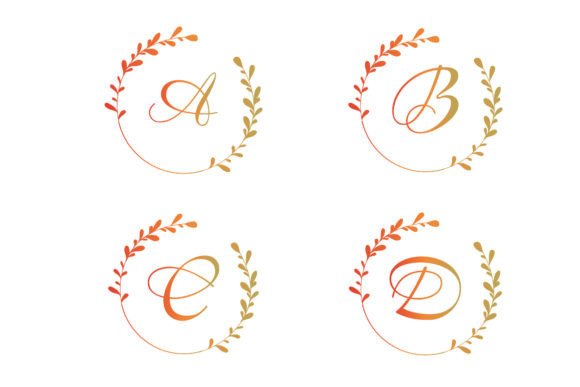
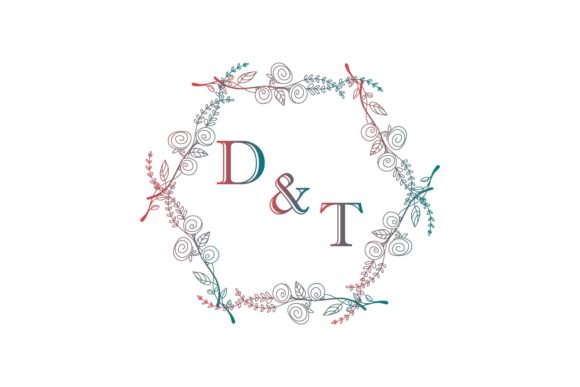
As a designer who’s stitched countless custom projects, I always start by evaluating the mood and visual language of a design. Monogram Decorative Letters Art immediately evokes a classic, elegant feel—like something you’d find in a vintage stationery shop or on a well-worn leather-bound journal. The letters are clean, slightly stylized, and balanced with enough detail to suggest craftsmanship without overwhelming the eye.
The layout is symmetrical, which makes it versatile for both personal and commercial use. The overall tone is sophisticated yet approachable, making it suitable for a wide range of applications—from custom apparel to personalized gifts. It doesn’t scream for attention but instead invites the viewer to linger, which is a great quality for a design that will be seen on fabric rather than a screen.
Real-Life Embroidery Use Cases
When I imagine using Monogram Decorative Letters Art in a real project, the first thought is a sweatshirt embroidery for a client’s wedding. The monogram would sit neatly on the chest, complementing the neutral tones of the garment while adding a touch of personality. It could also work beautifully on a tote bag design, where the larger canvas size allows for more detailed placement.
Another scenario comes to mind: a holiday embroidery project for a local boutique. The design’s refined look would fit perfectly on a pillow cover or a tea towel, especially when paired with a subtle pattern or color scheme. It’s not too busy, so it won’t compete with other elements in the product.
I can also see this design working well on baby clothes, where simplicity and elegance are key. A cap or apron featuring Monogram Decorative Letters Art would add a timeless charm that parents would appreciate. For commercial embroidery purposes, it’s a solid choice for Etsy sellers or small shop owners looking to offer a premium-looking product at an accessible price point.
Considerations for Real-World Embroidery
While Monogram Decorative Letters Art has a lot going for it, there are a few things to keep in mind before jumping into production. One of the biggest concerns is how the design performs on different fabrics. The texture of the fabric can affect the clarity of the stitching, especially in areas with intricate details or dense stitch patterns.
For instance, if you’re planning to use this design on a dark fabric, you’ll need to ensure that the thread colors contrast well enough to maintain visibility. Testing on a scrap fabric is always a good idea, especially when dealing with small hoop sizes or curved surfaces like hats or caps. These areas can sometimes cause the design to stretch or distort, leading to an uneven finish.
Additionally, the stitch density and hoop size should be carefully considered. If the design includes detailed corners or tiny lettering, it may require a larger hoop to prevent distortion. Using the right stabilizer is also crucial to ensure the design stays flat and secure during stitching.
Impact on Product Value and Customer Trust
When designing for handmade products or personalized gifts, the visual appeal of the design plays a significant role in customer perception. Monogram Decorative Letters Art has a polished look that can elevate the perceived value of a finished product. Whether it’s a custom apparel item or a craft business listing, the design adds a sense of professionalism and care.
However, it’s important to remember that customers often expect consistency in branding. If you plan to sell finished items or digital products, make sure the design aligns with your brand identity. Consistency in design assets helps build trust and recognition, especially for small shop products or printable mockups.
Practical Design Notes for Embroidery Professionals
If you’re an embroidery designer or digital product seller, there are a few practical steps to take before using Monogram Decorative Letters Art in a project:
- Test the design on scrap fabric first to assess stitch clarity and overall appearance.
- Check thread color contrast against the fabric background, especially for dark or light-colored materials.
- Review stitch density and ensure the design fits within the recommended hoop size.
- Inspect small details such as lettering and decorative accents for clarity and precision.
- Test in black and white mockups to evaluate how the design looks under different lighting conditions.
- Compare light and dark fabric backgrounds to determine the best application scenarios.
- Use proper stabilizer to prevent puckering or shifting during stitching.
- Confirm whether the design works for both personal and commercial use based on the intended market.
- Check licensing terms before selling finished items or digital products.
By following these steps, you can ensure that Monogram Decorative Letters Art performs well in its intended applications and maintains a high standard of quality for your finished product.